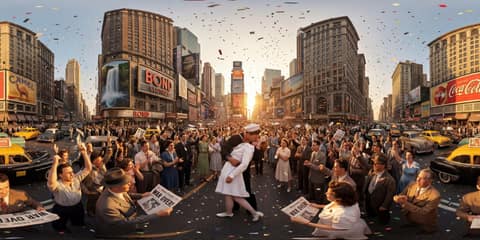
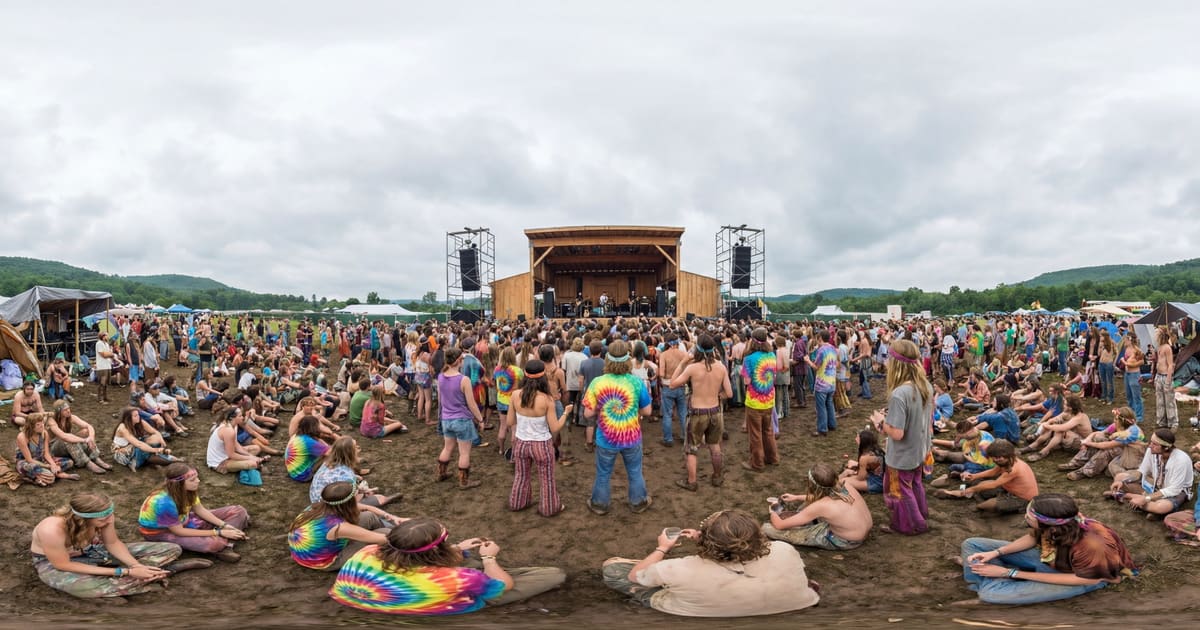
59 rounds · 582 BC–2017
Music History Guesser
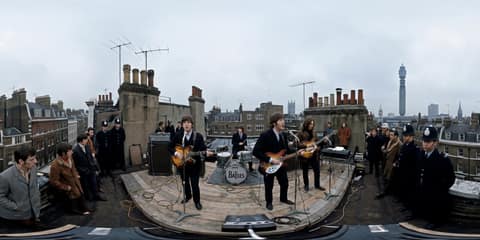
Concerts, festivals, opera houses and the rooms records were cut in.
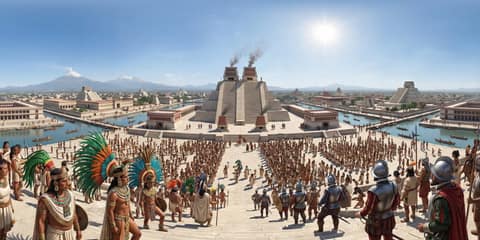
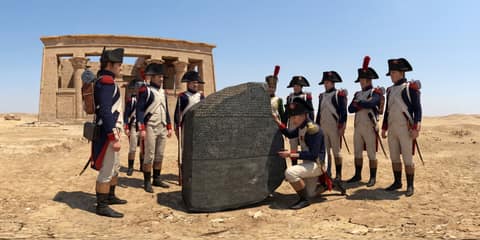
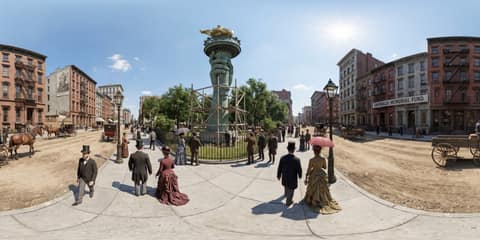
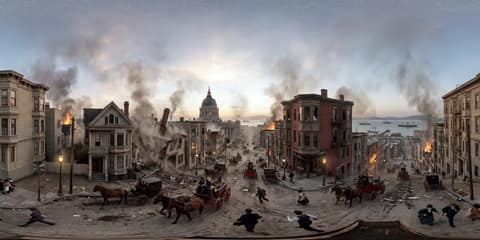
Play the panorama game through one subject at a time. Every round is a 360° scene from a real moment — you place it on the world map and guess the year.
59 rounds · 582 BC–2017
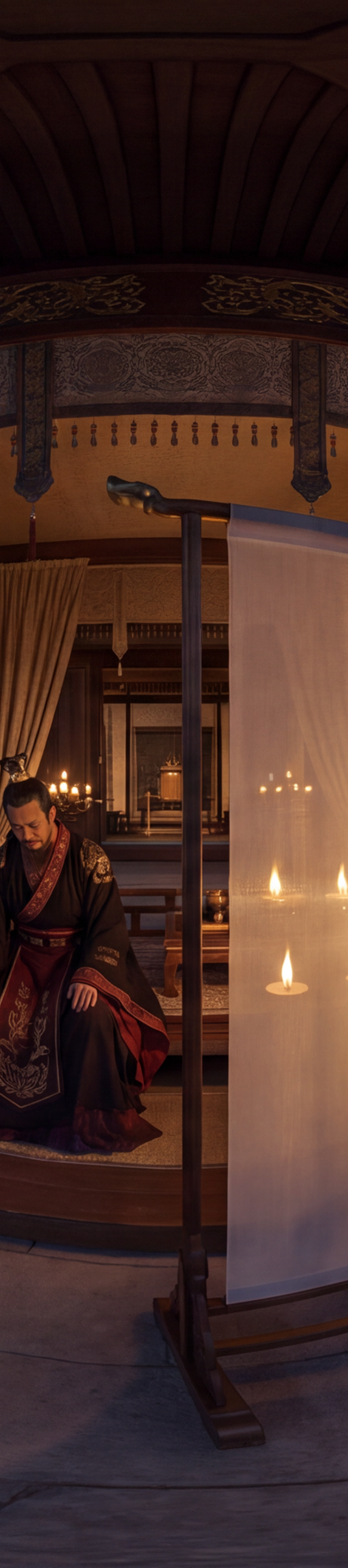
Concerts, festivals, opera houses and the rooms records were cut in.
94 rounds · 582 BC–2024
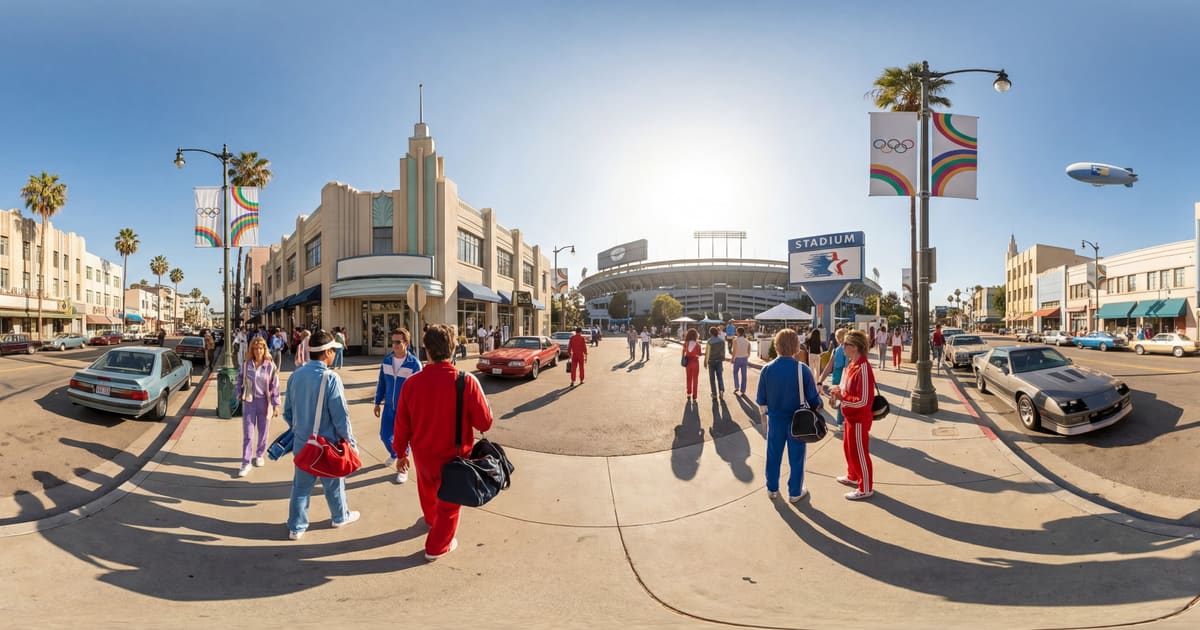
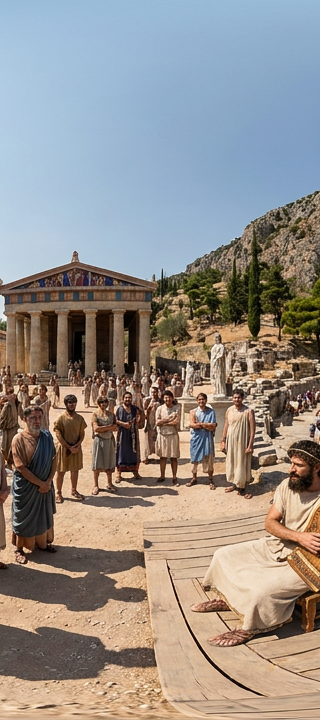
Stadiums, Olympic finals, cup runs and the crowds that watched them.
52 rounds · 121 BC–2012
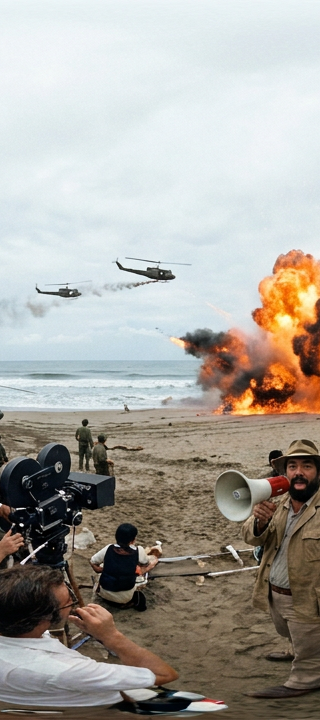
Film sets, premieres, picture palaces and the birth of the movies.
285 rounds · 722 BC–2022
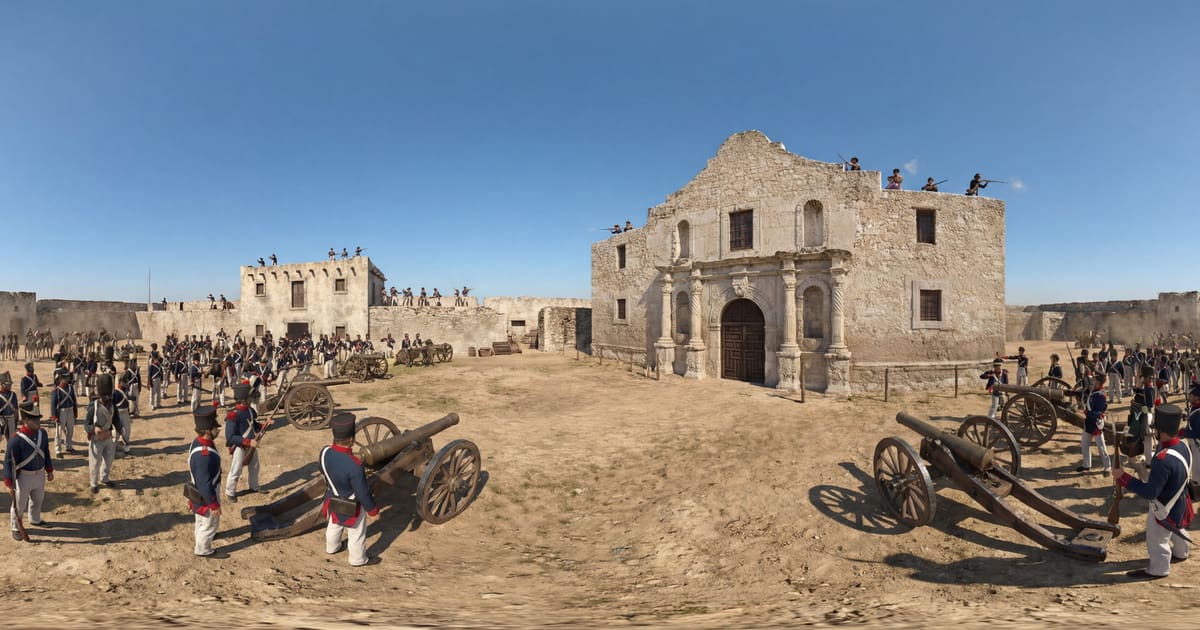
Sieges, landings and the battlefields that redrew the map.
72 rounds · 218 BC–2013
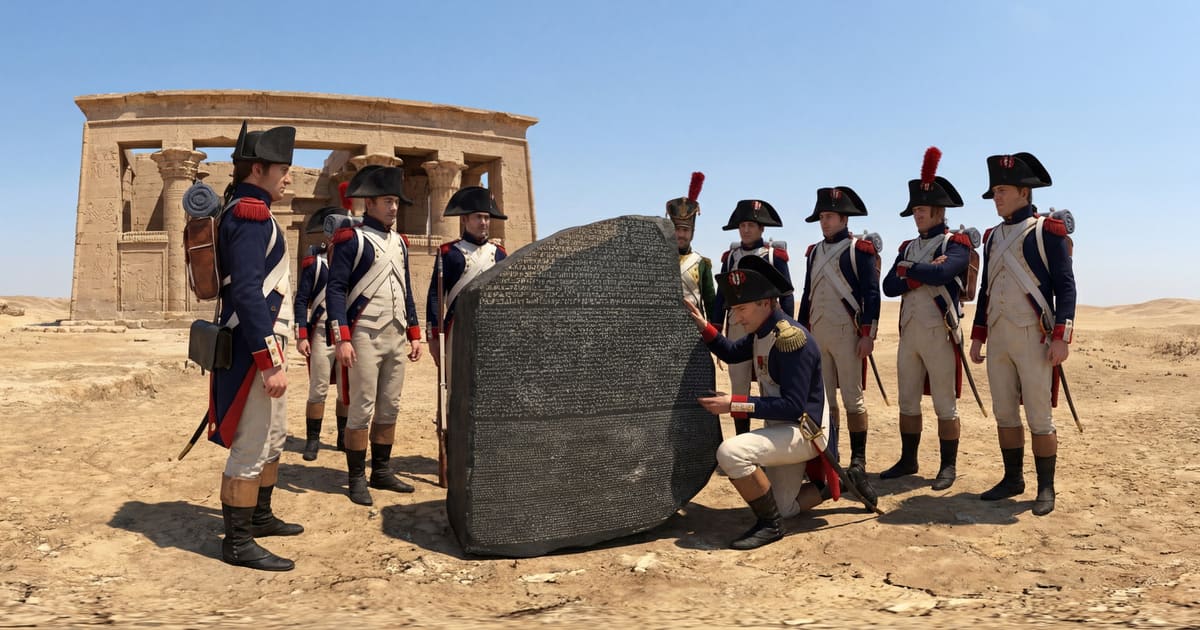
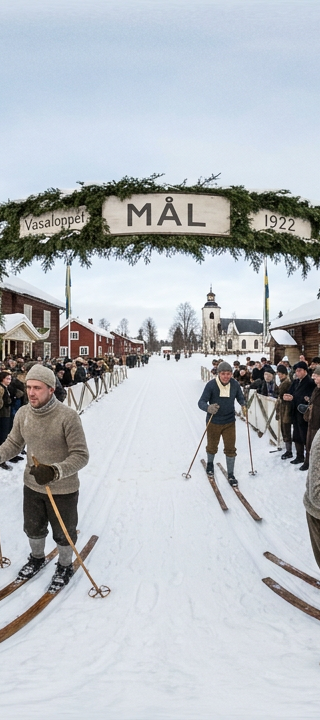
Voyages, first ascents and the edges of the known map.
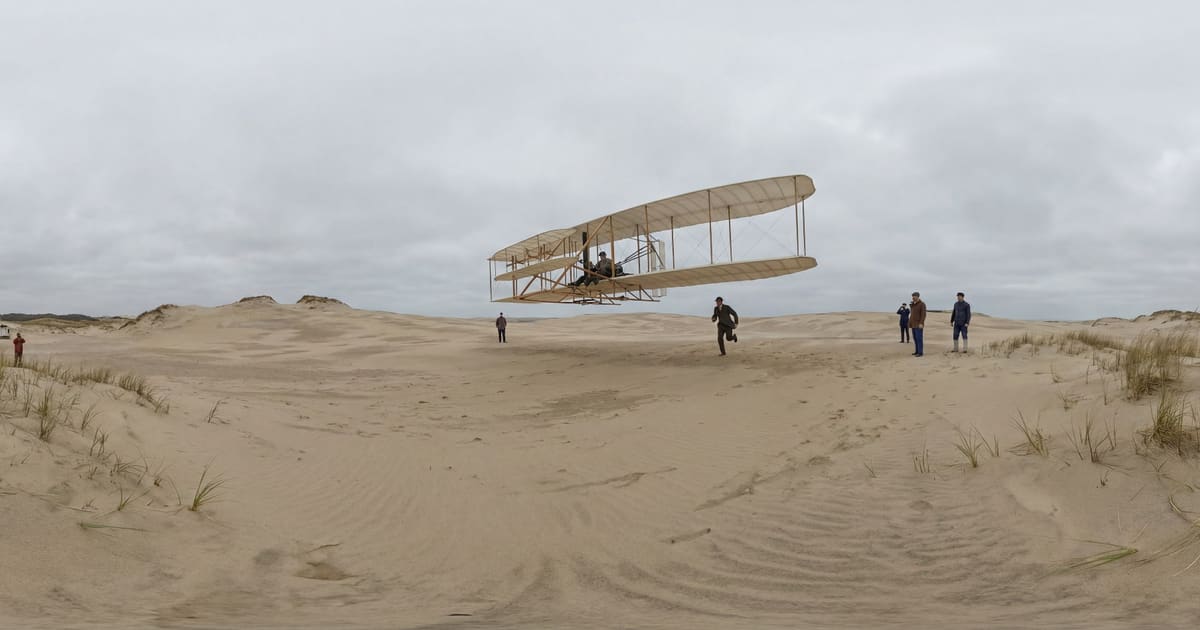
51 rounds · 1783–2022
Gliders, airships, jets and the road to the Moon.
107 rounds · 4600 BC–2022
First demonstrations, famous labs and world's fairs.
147 rounds · 1750 BC–2017
Coronations, royal weddings, treaties and inaugurations.
125 rounds · 1600 BC–2022
Eruptions, great fires, floods and shipwrecks — shown with care.
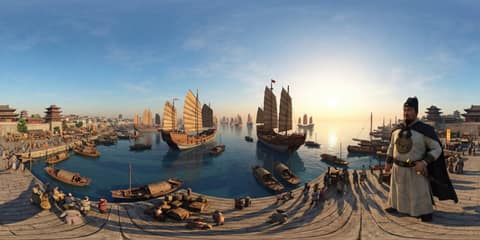
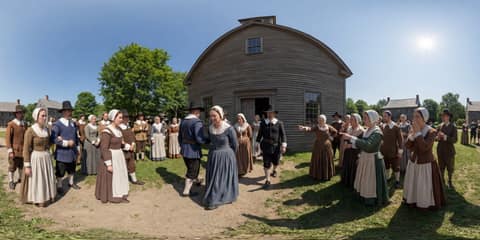
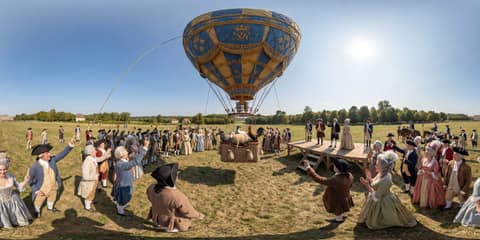
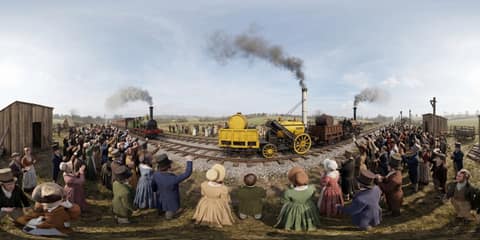
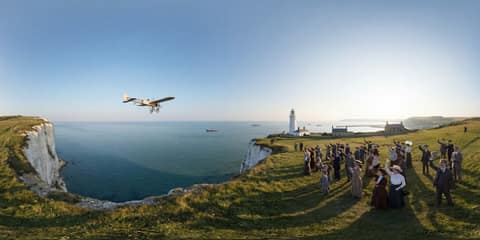
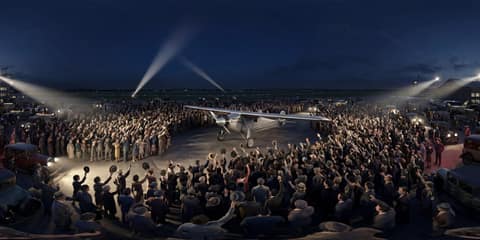
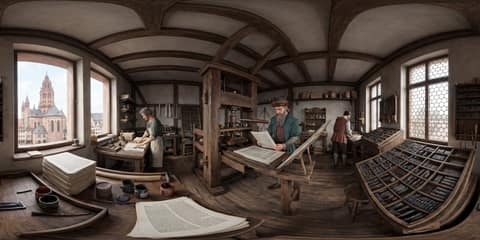
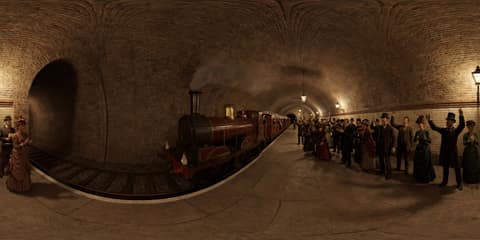
A themed run is an ordinary game of HistoryGuesser dealt from a single subject. You get five 360° scenes from real moments — a festival field, a stadium terrace, a film set — with no captions and no labels. For each one you look around, drop a pin on the world map where you think it happened, and slide the year picker to when. Up to 5,000 points a round: half for distance, half for how close the year lands.
The three lanes are not equally hard. Music is the most datable subject in the library once you know the gear — no speaker stacks means pre-1965, line arrays hanging in chains means late 1990s onward. Sport sits in the middle: the stands, the kit and the surface move slowly but they do move. Cinema is the trickiest, because a film set is deliberately dressed as another era, so you end up dating the camera rig and the crew rather than the scene they are shooting.
Nothing here is a music-trivia quiz or a movie-name quiz. You are never asked to name a song, a team or a title. Every round is solvable by reading the picture — the architecture, the clothes, the technology, the light — which is why the lanes work even if you have never heard of the moment in front of you.
Each theme is also split by decade, so you can read what the subject looked like in a particular stretch of history before you play it.